Solar cooling guide
Houston Solar AC: A Complete Guide
How HOUSTON Solar AC Works: Simple, Cool, and Pocket-Friendly!
Want to stay cool all summer while reducing heavy electricity bills? A Houston solar air conditioner uses available energy from the sun to cool your room and can help reduce electricity bills by up to 80% with a suitably sized solar setup.
Here is a simple guide to how it works. Actual savings depend on sunlight, system sizing, usage, electricity tariffs and site conditions; the savings figure is not a guarantee for every installation.
What is a HOUSTON Solar AC?
A normal AC takes its power from your home electricity supply, which contributes to your monthly electricity bill.
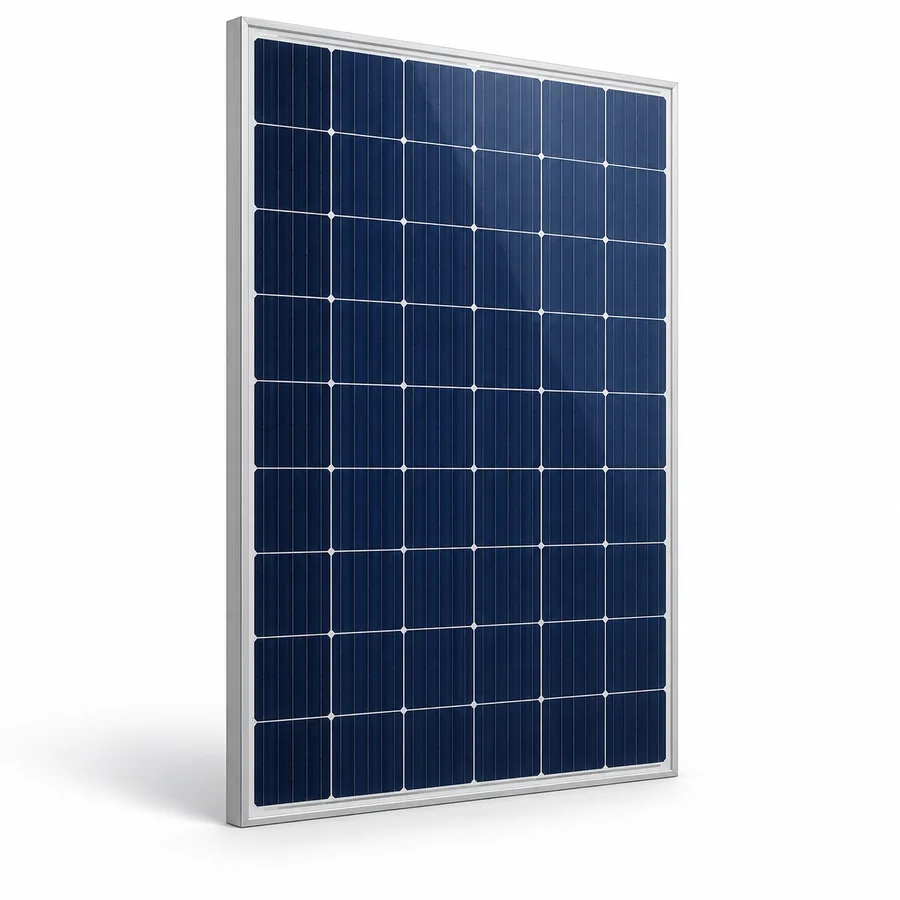
A HOUSTON Solar AC, on the other hand, can use energy from sunlight. Compatible solar panels on your roof catch sunlight and turn it into electricity to help run the AC, reducing the amount of power needed from the grid.
2 Main Types of Solar AC Systems
1. Hybrid HOUSTON Solar AC
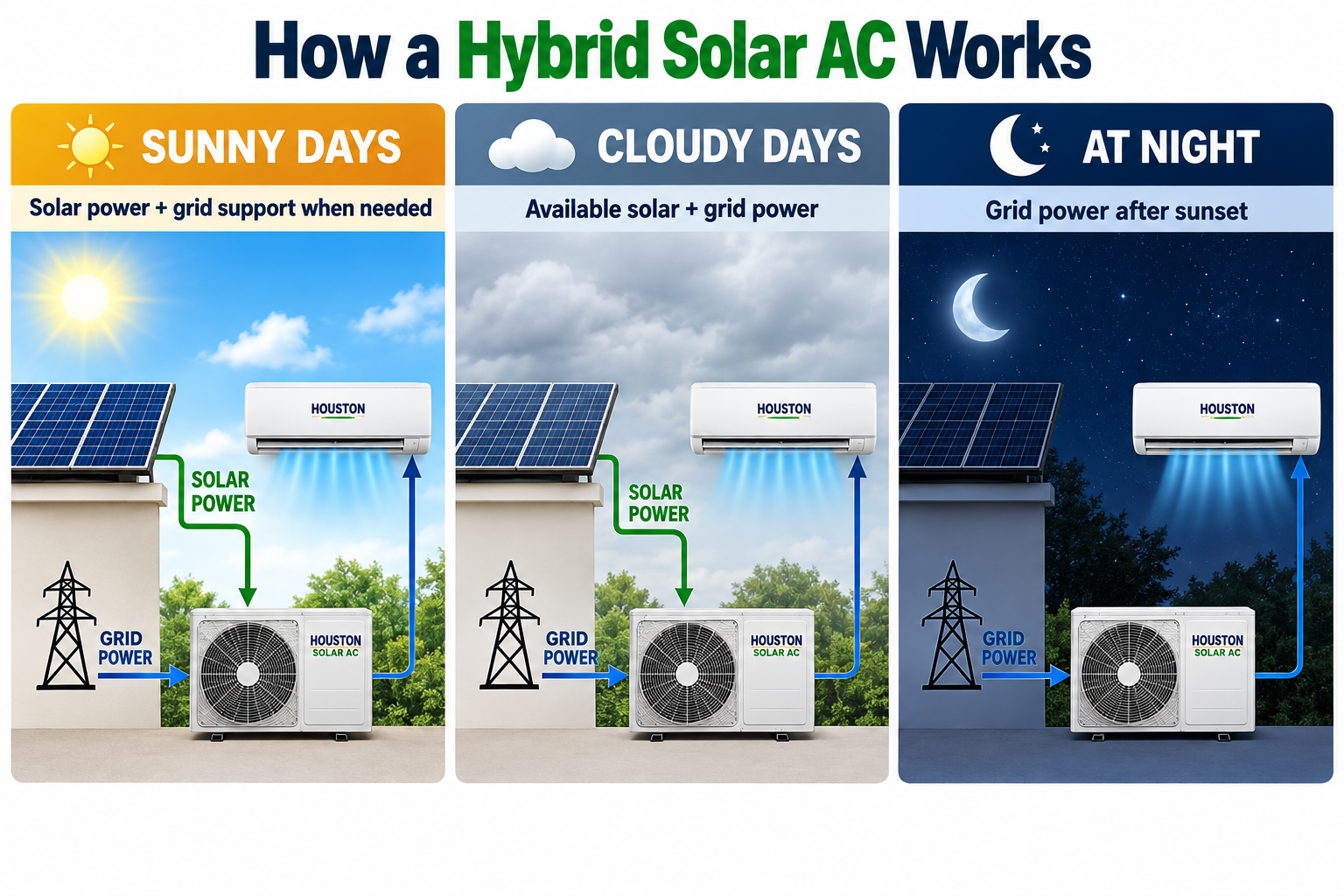
- How it works: This AC uses power from both compatible solar panels and your regular home electricity supply. During sunny daytime hours, it uses available solar power. When clouds reduce generation or it gets dark, grid electricity can support cooling.
- Why people love it: Comfortable cooling during the day and at night, with the potential for lower electricity bills.
2. Off-Grid Solar AC Configuration
- How it works: A fully designed off-grid system runs without a grid connection. Solar panels generate electricity and a compatible battery system stores energy for use after sunset. It requires suitable controls, an inverter where needed, and professional load and battery sizing.
- Why people consider it: It can suit remote sites and places with unreliable electricity, provided the complete system is sized for the required cooling hours.
Off-grid operation is a system configuration, not a standard feature of every Houston hybrid model. Confirm model compatibility and equipment availability with our team. A normal hybrid solar AC does not automatically provide cooling during a grid outage.
How a Hybrid Solar AC Works
On Bright & Sunny Days
Bright Sunlight → Solar Panels → Solar Power → DC Inverter Compressor → Cooling
Your Hybrid Solar AC can deliver efficient cooling while reducing grid electricity consumption and helping lower electricity bills. If solar output changes during the day, compatible hybrid models can balance available solar energy with grid power to maintain cooling.
On Cloudy Days
A hybrid solar AC can keep cooling when sunlight is low. It combines available solar power with grid electricity, reducing grid dependence when solar generation is available.
At Night
Solar panels do not generate electricity at night. The Hybrid Solar AC operates using grid electricity to continue cooling, provided the grid supply is available. Night-time electricity use depends on the model, settings, room conditions and cooling load.
Hybrid Solar AC = Solar Power by Day + Grid Support When Needed + Reliable Cooling While Power Is Available
Why You Should Switch to HOUSTON Solar AC
HOUSTON Solar AC is a smart way to stay cool while using solar energy. It uses power from compatible solar panels and can use grid electricity when solar power is low.
Designed for hot summer weather, Houston models provide efficient cooling while helping reduce electricity use and power bills. A suitably configured installation can offer up to 80% potential bill savings, depending on sunlight, usage and site conditions.
Why Choose HOUSTON Solar AC?
- Uses Solar Energy: Put clean energy from compatible solar panels to work.
- Saves Grid Electricity: Use less grid power when solar generation is available.
- Helps Reduce Power Bills: Solar power can lower cooling-related electricity costs.
- Efficient Cooling: Explore suitable capacity options for homes, offices, shops and commercial spaces.
- Hybrid Technology: Use solar power and grid electricity together when needed.
- Renewable Energy: Make use of sunlight to reduce reliance on grid-supplied energy.
- Made for Hot Summers: Choose a model suited to your local temperature and cooling requirements.
Cool Your Space. Save Electricity. Use Solar Power.
Choose HOUSTON Solar AC for energy-efficient cooling with available solar energy and practical grid support.
Benefits of a Solar Air Conditioner
A solar air conditioner helps you stay cool while using the power of the sun. It can be a useful choice for hot weather and places where electricity bills are high.
A hybrid solar AC uses solar power during the day and can use grid electricity when solar power is not enough. This supports comfortable cooling while helping reduce electricity consumption.
Key Benefits of a Solar Air Conditioner
- Save on Electricity Bills: Use solar energy to reduce grid dependence.
- Uses Solar Power: Cool your space using clean, renewable energy from panels.
- Hybrid Solar Operation: Work with solar energy and grid electricity.
- Energy-Efficient Cooling: Use available solar power to help manage electricity consumption.
- Works During Low Sunlight: Draw power from the grid when solar generation is limited.
- App Control on Supported Models: Confirm mobile-app monitoring and control availability for your selected model before ordering.
- Everyday Maintenance: Routine filter cleaning and scheduled servicing help maintain reliable performance.
- Renewable-Energy Cooling: Use solar generation to help reduce the environmental impact of electricity use.
- Comfort in Hot Summers: Select the correct AC capacity and operating-temperature rating for your space.
Choose Smarter Cooling
With a solar air conditioner, you can use sunlight to help cool your home, office, shop or commercial space. The right capacity, compatible equipment and professional installation are key to good results.
Use Solar Power. Save Electricity. Stay Cool.
Ask Houston about model specifications, solar-panel requirements, installation scope, service coverage and warranty terms before choosing your setup.