HOUSTON SOLAR PANELS, INVERTER AND BATTERY: A COMPLETE SOLAR ENERGY GUIDE
A complete solar system combines panels, an appropriately matched inverter and, when storage or backup is needed, a compatible battery. The right design depends on your electricity use, roof space and site conditions.
What is a solar energy system?
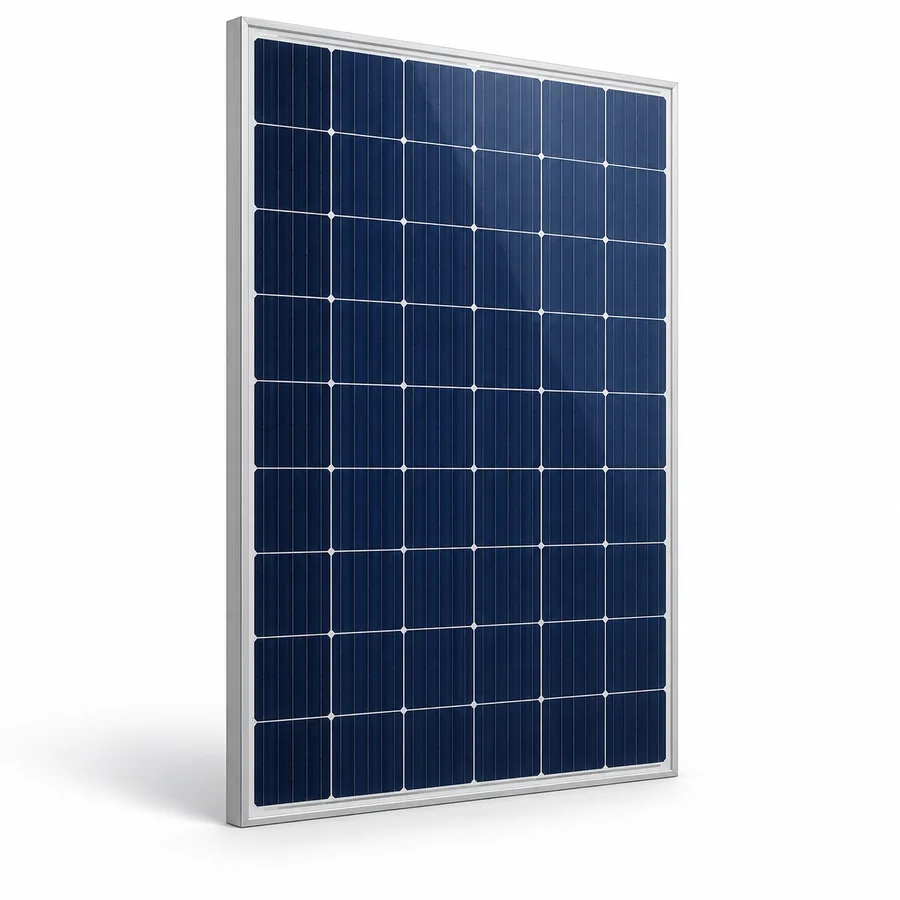
Solar panels convert sunlight into DC electricity. An inverter converts or manages that power for compatible appliances and the chosen grid configuration. A battery can store electricity for later use or backup, if the system is designed for it.
Together, these components can reduce grid dependence. Savings and backup capability depend on system sizing, configuration, sunlight, usage and local rules.
Houston solar panels
Panels generate electricity during daylight. Houston lists mono PERC and N-type bifacial modules across several wattages for residential and commercial installations. The right number and capacity depend on energy demand, available roof area and installation conditions.
- Generate clean, renewable electricity.
- Help reduce grid consumption when generation matches your usage.
- Use suitable rooftop or other approved installation space.
- Require appropriate mounting, wiring and routine upkeep.
Houston solar inverters
Panels produce DC electricity, while many appliances use AC electricity. An inverter converts and manages power in the system. The inverter must be matched to the solar array, electrical load and connection type.
The models in Houston’s current list are on-grid inverters, with single-phase and three-phase options. An on-grid inverter alone does not provide power during a grid outage; backup requires a separately designed compatible system.
- Choose a suitable power rating and phase.
- Check system and grid compatibility.
- Confirm monitoring features for the selected model.
- Review the listed model-specific warranty before ordering.
Battery storage for later use
A battery can store electricity when the system supports charging and can provide power later, subject to its capacity and the connected equipment. Houston currently lists 48 V LiFePO4 lithium-battery options at 100 Ah and 120 Ah, both with a 5-year full hardware warranty. Confirm compatibility, installation requirements and written warranty terms before ordering.
- Storage capacity must match the intended loads and backup duration.
- Charging and inverter compatibility need to be checked.
- Warranty coverage must be confirmed for the selected model.
Solar systems for homes and businesses
Homes can use a properly sized system to generate part of their electricity. Commercial sites such as offices, shops, showrooms, schools, warehouses, factories and hotels may be able to use available roof space for daytime generation.
A complete design considers monthly electricity consumption, panel capacity, inverter rating, battery needs if any, installation space and service access. Professional assessment helps ensure the components work together safely.
How to choose the right solar system
- Check your electricity use. Review monthly units and when power is used.
- Assess your space. Check roof area, orientation, shade and structure.
- Match the inverter. Select capacity and phase for the array and loads.
- Decide on storage. Specify backup loads and duration before choosing a battery.
- Confirm installation and service. Ask about delivery, grid connection, warranty and after-sales support.
Houston can help you compare the listed products and plan a configuration for your home or business. Contact the team to discuss your system.